

The Magic of Harmony: What Makes ChorFest London a Must-Attend Event
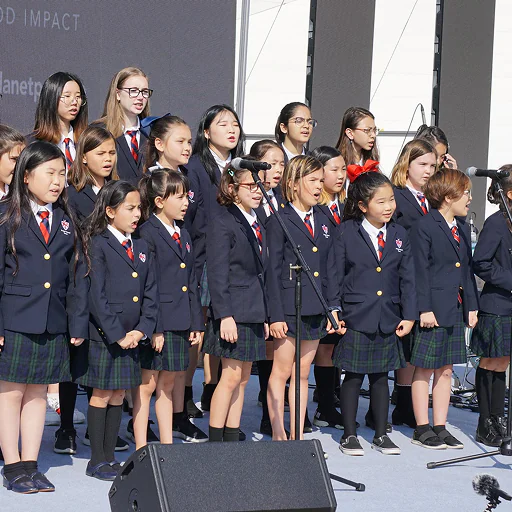
The Magic of Harmony: What Makes ChorFest London a Must-Attend Event Music has always been one of humanity’s most powerful forms of expression, uniting voices, hearts, and cultures in a single moment of shared resonance. Among the cultural events in London that truly embody this sentiment, ChorFest London stands apart — a celebration of […]
5 Questions to Ask Your Career Counsellor Before Choosing a University

As parents, you want your child to receive the best education possible. After all, the competition ahead is anything but easy to tackle.
Education that challenges your kid mentally is critical. That, too, while nurturing his or her creativity, physical well-being, and sense of social responsibility.
The CAS Component in the IBDP: Combining Creativity, Action, and Service
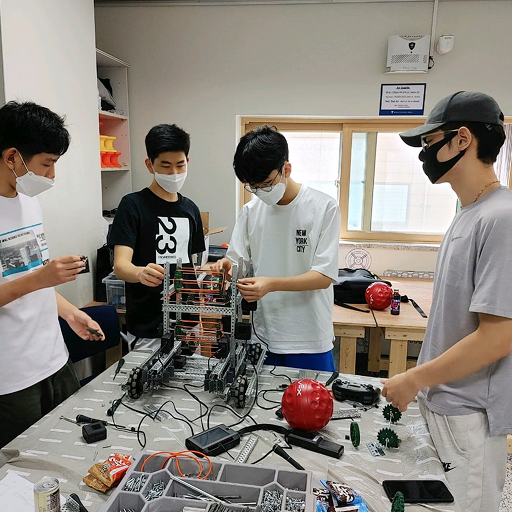
As parents, you want your child to receive the best education possible. After all, the competition ahead is anything but easy to tackle.
Education that challenges your kid mentally is critical. That, too, while nurturing his or her creativity, physical well-being, and sense of social responsibility.
Why is Arts Education Crucial in IB Schools? Five Critical Reasons

If you think education is all about mastering subjects like mathematics and science, then you need to think again. A well-rounded education includes everything from fostering creativity to critical thinking and emotional intelligence.
IB PYP vs. Montessori: Which is Better for My Child?

The IB Primary Years Programme focuses on inquiry-based, globally minded education for students aged 3 to 12. Montessori emphasizes child-centred, interactive learning in structured settings by promoting independence, intrinsic drive, and holistic growth.
How to Create an Engaging IB Primary Year Programme (PYP) Classroom Environment
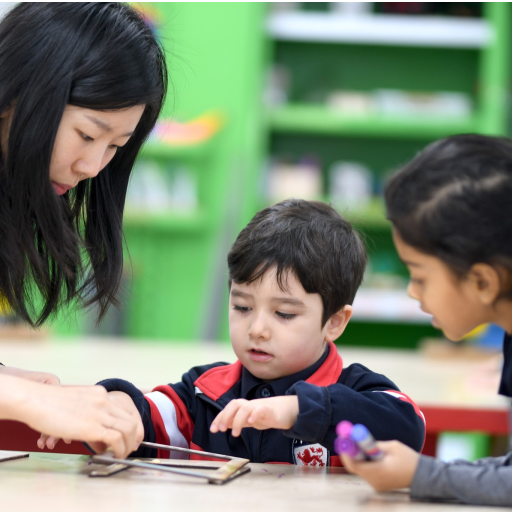
For the IB Primary Years Programme (PYP) to have an engaging classroom environment, you have to know the core elements of the program. The central component of the PYP learner profile is that learners become inquirers, thinkers and communicators who are principled and reflective. They help teach students to own their learning development.
How the IB Curriculum is Structured: A Complete Overview
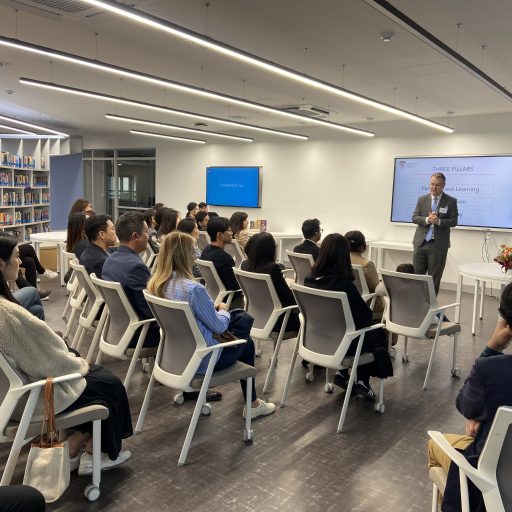
The International Baccalaureate (IB) is a worldwide educational system that is intended to offer students a demanding, internationally-oriented education. From ages 3 to 19, IB schools in South Korea provide a continuum of programs to develop inquirers, knowledgeable thinkers,
What to Expect from a Pre-kindergarten Curriculum: A Parent’s Guide
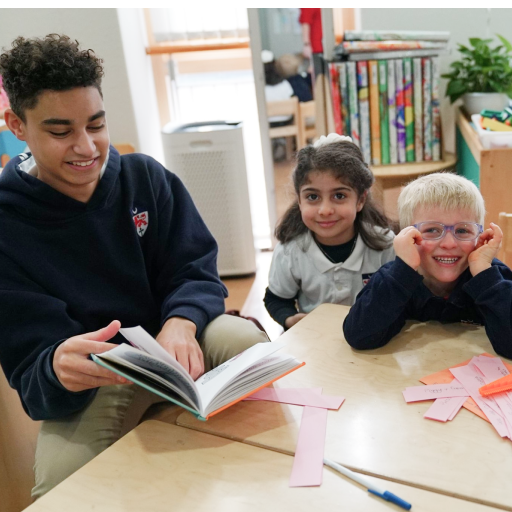
Early childhood education is an essential building block to your child’s academic and personal development. In this developmental stage, preschool is an important part of the process, helping children learn the skills and experiences they need to succeed at school and in the future.
What Are the Key Assessment Strategies in IB Early Years Education?
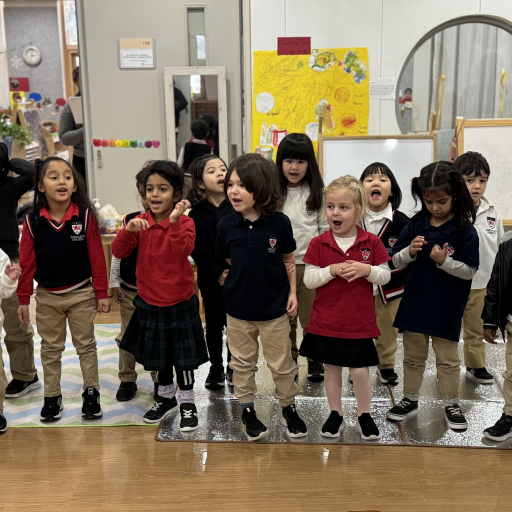
For parents exploring education, the IB Early Years Programme (EYP) is distinctive for its emphasis on holistic development and an inquiry approach to learning. Evaluations in this program do not include grading or measuring student achievement.
What Factors Should Parents Consider Before Preschool Admission?

Picking a suitable preschool is a key decision impacting a child’s early development. Excellent preschools promote intellectual, social, and behavioural growth by offering a safe, stimulating atmosphere where kids can explore,
Play-based Learning in the IB Kindergarten: Merging Fun with Education

Play-based learning has found its way into mainstream education and it’s a super effective approach, especially in the education of young children. In the context of the International Baccalaureate (IB) curriculum for kindergarten, it is seamlessly integrated to foster holistic development in young learners.
How Does Play-Based Learning in the IB ECD Lead to Lifelong Curiosity?

Play-based learning leverages play as an interface for learning, merging enjoyment with supervised exploration. It emphasises active participation, creativity, and problem-solving, helping children gain knowledge organically by encouraging curiosity and imagination.