

Understanding the Foundation
For the IB Primary Years Programme (PYP) to have an engaging classroom environment, you have to know the core elements of the program. The central component of the PYP learner profile is that learners become inquirers, thinkers and communicators who are principled and reflective. They help teach students to own their learning development. The PYP transdisciplinary themes provide a broad real-world context for learning, connecting subjects such as science, math and language through themes such as ‘Who We Are’ and ‘How the World Works’. This framework fosters an understanding that is holistic and critical.
Did you know?: A study of 18 IB World Schools in South Korea found that “students identified the top three benefits of IB programmes as enhancing their thinking skills, improving their self-directed learning skills and increasing their participation and engagement in classes.” International Baccalaureate®+1 This indicates that the PYP’s foundational focus on inquirers, thinkers and communicators is having a measurable impact in Korean schools.
Designing the Learning Space
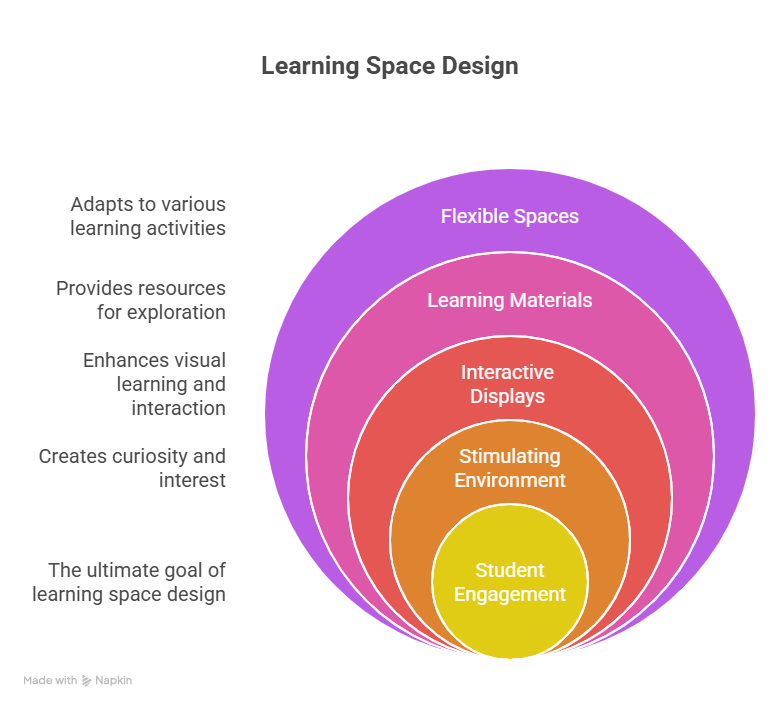
To get kids to be curious about and engaged with what we’re teaching them, we need a stimulating physical environment. Interactive displays, learning materials and dedicated spaces for group and independent activities are found in IB schools in South Korea. These spaces incorporate flexible seating options and open layouts, providing adaptability to different learning styles. It’s critically important to both encourage inquiry and exploration and to enable students to do so by giving them access to books, manipulatives, technology, etc.
Building Relationships and Community
Nurturing teacher-student relationships is a start to a strong classroom community. In the PYP programme teachers facilitate students through their inquiry journeys, offer support and create growth opportunities. Regular open communication builds trust, assuring students that they are always heard. Another important part of the PYP environment is peer collaboration. Group structured projects and activities help students learn from each other and foster teamwork, communication and problem-solving.
Assessment and Reflection
Ongoing assessment is essential in the PYP for students’ development. Instead of using only traditional tests, teachers observe, look at their work, and speak with students. There are continuous cycles of learning in the formative assessment. This also provides for student-led reflection and goal setting. Students who are encouraged to reflect on their learning are more self-aware, can set goals for themselves and are responsible for their progress.

Tips for Success
Like any other learning platform, technology could help make learning more dynamic and accessible. Interactive whiteboards, learning apps, and virtual field trips are the digital tools that enhance inquiry-based learning. Secondly, working with parents is a must to have a good support system. Fostering stronger connections between home and school, regular updates, parent-teacher conferences and things like projects can also help.
Conclusion
Thought, nurturing relationships and inquiry are the components of the design of an engaging PYP classroom environment in IB schools in South Korea. Moreover, teachers help students grow with an international mindset in this program.