Welcome to Dwight
School Seoul

First IB School in Seoul

As Seoul’s first IB Continuum World School, Dwight School Seoul offers the full International Baccalaureate (IB) continuum, including the
Early Childhood Division (ECD), Primary Years Program (PYP), Middle Years Program (MYP), and Diploma Program (DP).

Founded in 2012 and part of the Dwight global network established in 1872, Dwight School Seoul is a leading international school in Seoul, delivering a personalized, world-class IB education that ignites the Spark of Genius in every child.

Early Childhood Division
(ECD)

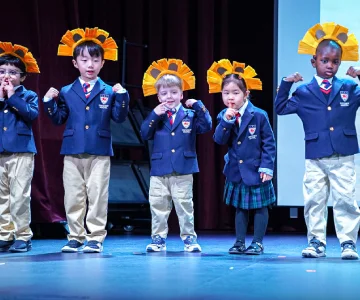
Young learners thrive in a warm, engaging environment. We ignite curiosity and creativity, building a strong foundation for lifelong learning through personalized attention and a world-class, inquiry-based curriculum.

Primary Years Programme
(PYP)

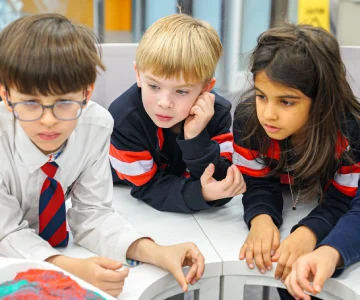
Dynamic and inquiry-based curriculum that fosters critical thinking and creativity. With a focus on global-mindedness and personal development, students build the knowledge and skills needed for future academic success.

Middle Year Programme
(MYP)

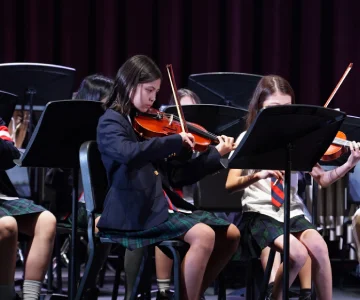
Students dive deeper into critical thinking, problem-solving, and leadership. Our interdisciplinary approach prepares them to be active, reflective learners and responsible global citizens, ready for the challenges ahead.

Diploma Programme
(IBDP)

Academically rigorous, internationally recognized curriculum. With a focus on holistic development, critical thinking, and global awareness, students are well-prepared for top universities and future leadership roles.

Young learners thrive in a warm, engaging environment. We ignite curiosity and creativity, building a strong foundation for lifelong learning through personalized attention and a world-class, inquiry-based curriculum.

Dynamic and inquiry-based curriculum that fosters critical thinking and creativity. With a focus on global-mindedness and personal development, students build the knowledge and skills needed for future academic success.

Students dive deeper into critical thinking, problem-solving, and leadership. Our interdisciplinary approach prepares them to be active, reflective learners and responsible global citizens, ready for the challenges ahead.

Academically rigorous, internationally recognized curriculum. With a focus on holistic development, critical thinking, and global awareness, students are well-prepared for top universities and future leadership roles.

Dwight Facts & Figures

Dwight School Seoul distinguishes itself as Seoul’s first IB Continuum School and as an integral part of the Dwight Global Network. Explore our milestones and learn more about our interconnected global community.

1st

school in Americas authorized to offer the full International Baccalaureate (IB) curriculum in 2014.
1st

the founding Dwight campus, was among the first in the Americas to offer the full IB continuum.

9

Global Campuses with 1 shared mission

100+

Student-entrepreneurs developing their passion projects in our Spark Tank incubator.

500+

students in Seoul and 3,775 students worldwide

150+

years of Dwight global tradition.

1

community representing 50+ countries

1st

International Baccalaureate (IB) Continuum World School in Seoul

Dwight Facts & Figures

Dwight School Seoul distinguishes itself as Seoul’s first IB Continuum School and as an integral part of the Dwight Global Network. Explore our milestones and learn more about our interconnected global community.

1st

School in Americas authorized to offer the full IB curriculum in 2014.

1st

The founding institution (Dwight School in New York) was on of the first in the Americas to offer the IB curriculum across all ages.

500+

Students from over 50 countries. 

150+

Years of Dwight global tradition. 

8

Global campuses with 1 shared mission.

100+

Student-entrepreneurs developing their passion projects in our Spark Tank incubator. 

1

Community Dwight Global Community.

1st

The only school selected by the Seoul Municipal Government to open a “Model IB World School” in Seoul.

Why Dwight Seoul?

At Dwight School Seoul, we are committed to creating a nurturing environment where every student is known, valued, supported, and empowered to thrive.

Personalized Learning

We believe in personalized learning that is tailored to each student’s unique needs, interests, and strengths while prioritizing their social and emotional well-being. This holistic approach empowers every student to discover their spark of genius and reach their full potential.

Community

A strong sense of community is at the heart of a holistic education. By working together; students, parents, teachers, and staff, we create a warm, inclusive environment where everyone feels known, valued, supported, and inspired to thrive.

Global Vision

We empower students to thrive in a rapidly changing world by fostering a global perspective, developing intercultural understanding, and nurturing a strong sense of responsibility as compassionate global citizens.

News & EVENTS

August 5-7 

new staff orientation

No School

August 10-14

No School

August 18

new student orientation

No School

August 19

first day
of school

all day

What Our Community Has to Say

We believe in our mission and philosophy, but these testimonials from parents and students in our community prove that our approach to education works.

Dwight School Seoul provides international education to the highest recognised academic standards. We are committed to finding and igniting the “spark of genius” in EVERY child. Kindling their interests, we develop inquisitive, informed, self-aware and ethical citizens who will build a better world.

FREQUENTLY ASKED QUESTIONS

1. What subjects are offered under the IB curriculum in South Korea?

IB schools in South Korea follow the globally recognized International Baccalaureate (IB) curriculum, which includes Language and Literature, Language Acquisition, Individuals and Societies, Sciences, Mathematics, the Arts, Design, and Physical and Health Education (PHE). While every IB World School follows the same academic framework, subject options and elective courses may vary depending on each school's resources, student interests, and programme offerings.

2. How does the IB programme benefit students studying in South Korea?

The International Baccalaureate (IB) programme develops critical thinking, creativity, research, communication, and intercultural understanding through inquiry-based learning. Students graduate with the academic knowledge, confidence, and global perspective needed for success at leading universities worldwide while becoming compassionate, lifelong learners prepared for an evolving global society.

3. What are the stages of the IB curriculum in South Korea?

The International Baccalaureate curriculum consists of four programmes: the Primary Years Programme (PYP), Middle Years Programme (MYP), Diploma Programme (DP), and Career-related Programme (CP). Not every IB World School in South Korea offers the full continuum, so families should choose a school that provides the programmes that best support their child's educational journey.

4. How does Creativity, Activity, and Service (CAS) support personal growth for IB students in South Korea?

Creativity, Activity, and Service (CAS) is a core component of the IB Diploma Programme (DP) that encourages students to grow beyond the classroom. Through creative projects, physical activities, and community service, students develop leadership, resilience, collaboration, empathy, and self-reflection. CAS helps prepare IB students in South Korea to become confident, socially responsible, and globally minded individuals.

5. Why do expat families choose international schools in South Korea?

Many expat families choose international schools in South Korea because they offer globally recognized curricula, multicultural learning environments, and personalized education. Students benefit from diverse classrooms, English-language instruction, dedicated student support, and internationally recognized qualifications that prepare them for universities and careers around the world.

6. How are international schools in South Korea different from local schools?

International schools in South Korea typically offer internationally recognised curricula such as the International Baccalaureate (IB), inquiry-based learning, multicultural classrooms, and a holistic approach to education. In comparison, local schools generally follow the Korean national curriculum with a stronger emphasis on standardised examinations and teacher-led instruction.

7. Do IB schools in South Korea offer scholarships or financial aid?

Some IB schools in South Korea offer limited scholarships, financial aid, or need-based fee assistance. Availability varies by school and academic year, with awards typically based on academic merit, financial need, exceptional talent, or other eligibility criteria. Families should check directly with their preferred school for current opportunities and application requirements.

8. What makes Dwight School Seoul one of the leading IB schools in Seoul?

As Seoul's first fully authorised IB Continuum World School, Dwight School Seoul offers a seamless educational journey from the Early Childhood Division (ECD) through the Primary Years Programme (PYP) (ages 2–11), Middle Years Programme (MYP) (ages 11–16), and Diploma Programme (DP) (ages 16–18). With personalised learning, experienced international educators, small class sizes, and a close-knit community, Dwight School Seoul empowers every student to discover and ignite their unique Spark of Genius while preparing for success at leading universities worldwide.

9. Which International Baccalaureate (IB) programmes does Dwight School Seoul offer?

Dwight School Seoul offers the full IB Continuum, including the Early Childhood Division (ECD), Primary Years Programme (PYP), Middle Years Programme (MYP), and Diploma Programme (DP). This continuous pathway provides students with a consistent, inquiry-based education that develops academic excellence, character, leadership, and global citizenship from early childhood through university preparation.

10. What age groups and grade levels does Dwight School Seoul has?

Dwight School Seoul welcomes students from 24 months to 18 years of age. The school includes the Early Childhood Division (ages 2–5), Lower School (Kindergarten–Grade 5), and Upper School (Grades 6–12), providing a seamless educational experience that supports every stage of a child's academic, social, and emotional development.

11. How does the admissions process work at Dwight School Seoul?

The admissions process at Dwight School Seoul is designed to be straightforward and supportive. Families begin by submitting an online inquiry or application, followed by the required documents and application fee. Once complete, applicants are invited to an interview and age-appropriate assessment. The school then conducts a holistic review before sharing the admission decision by email. Throughout the process, the Admissions Team provides personalised guidance and support.

12. What student support and wellbeing services does Dwight School Seoul offer?

Student wellbeing is central to the Dwight philosophy. Dwight School Seoul combines personalised learning with academic guidance, social-emotional support, and dedicated pastoral care to ensure every student feels known, valued, and supported. Through a strong sense of community and a commitment to nurturing the whole child, students are empowered to thrive academically, socially, and personally.

1. What subjects are offered under the IB curriculum in South Korea?

Under the International Baccalaureate (IB) curriculum in South Korea, foreign and international schools offer the same globally standardised IB subjects from language and literature, acquisitions, individual and societies, science, mathematics, arts, PHE and Design. The variation depends on the school, campus size, class size and student demand.  

2. How does the IB programme benefit students studying in South Korea?

The IB school education system builds critical thinking, research skills, global awareness, and communication, preparing students for top universities worldwide.

3. What are the key stages of the IB curriculum offered in South Korea?

The IB organises education for the ages 24 months -18 into:

  • Early Childhood Division
  • Primary Years Programme
  • Middle Years Programme
  • Diploma Programme

4. How does Creativity, Activity, Service (CAS) shape personal growth among IB students in South Korea?

CAS encourages balanced living, community engagement, leadership, and creativity beyond academics, fostering resilience and global responsibility among all the students.

5. How international schools in South Korea benefit expat children?

Yes, they offer diverse curricula, global exposure, language support and nurturing environments that help expat children transition confidently and thrive socially and academically.

6. How do international schools in South Korea differ from regular schools?

International schools priortize inquiry, global curricula, diverse classrooms and holistic development; unlike exam-centric traditional systems focused mainly on rote learning methods alone.

7. Do IB schools in South Korea offer scholarships or fee waivers?

Some IB schools offer limited scholarships or need-based fee support, varying yearly, typically based on merit, diversity or family circumstances criteria availability.

8. What makes Dwight School Seoul a strong choice for families looking for an IB school in Seoul?

Dwight School Seoul is the first fully authorised IB Continuum School in Seoul, offering a seamless educational journey from Early Childhood through the Primary Years Programme (PYP), Middle Years Programme (MYP), and Diploma Programme (DP). The school is known for its commitment to personalised learning, a strong sense of community, and a global vision, key factors families often prioritise when choosing a foreign school.

9. Which IB programmes does Dwight School Seoul offer?

Dwight School Seoul offers the full IB continuum: Early Childhood Division (ECD), PYP, MYP, and DP. This structure provides students with a consistent, inquiry-based learning experience from early years through university preparation.

10. What ages and grade levels does Dwight School Seoul serve?

Dwight School Seoul’s serves students from 24 months to 18 years old. Its structure includes Preschool (ages 2–4), Lower School (Kindergarten–Grade 5), and Upper School (Grades 6–12), ensuring continuity across all stages of development.

11. What is the admissions process at Dwight School Seoul?

The admissions process includes submitting an online application, paying the application fee, and uploading required documents. Once complete, students are invited to an interview and assessment. Families are supported throughout with clear guidance and resources.

12. Does Dwight School Seoul offer student support and wellbeing resources?

Yes. Student well-being is central to the Dwight philosophy. The school integrates academic support with social and emotional development, ensuring students feel valued, supported, and connected within the community.