

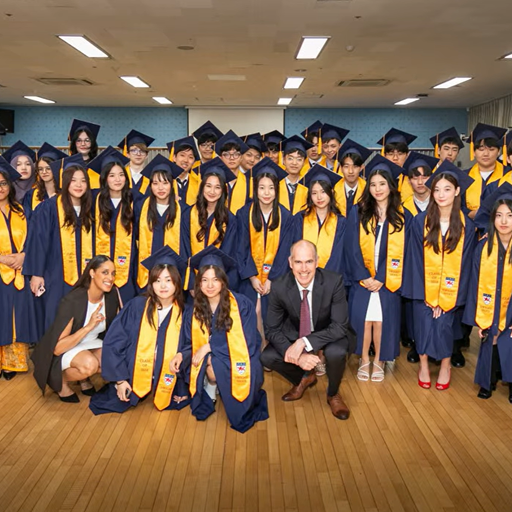
The International Baccalaureate (IB) has long been recognized as one of the most rigorous and globally respected educational frameworks, preparing students for success in higher education around the world. Rather than focusing solely on content mastery, the IB immerses students in a challenging yet supportive environment that encourages inquiry, research, reflection, and deep conceptual understanding. As a result, IB graduates enter university not only with strong academic foundations but with the independence, resilience, and global-mindedness that modern institutions value. This comprehensive preparation gives IB students a unique advantage when applying to colleges and universities across continents.
Universities increasingly acknowledge the strength of the IB curriculum, appreciating the qualities that distinguish IB graduates from their peers. From critical thinking and effective communication to advanced research experience and cross-disciplinary learning, IB students bring a maturity and readiness that aligns beautifully with the expectations of higher education. Admissions officers frequently highlight the IB Diploma Programme as one of the strongest predictors of university success, often leading to higher acceptance rates, advanced standing, and even scholarship opportunities. This recognition underscores the importance of understanding how IB prepares students for college and why their experiences matter during the university application process.
At Dwight Seoul, our students benefit from individualized academic pathways, expert university counseling, and a culture that celebrates excellence in both learning and personal growth. Our track record of guiding students toward their dream universities—across the United States, Europe, Asia, and beyond—reflects this commitment. With a holistic approach that emphasizes their strengths, passions, and personal stories, Dwight Seoul students stand out as confident, prepared, and highly capable IB graduates ready to thrive in global higher education.
Why Universities Value the IB Curriculum
The IB curriculum is valued worldwide because it fosters academic depth, intellectual curiosity, and global awareness—qualities essential for success in university-level study. Unlike traditional programs that focus primarily on exam performance, the IB encourages students to think critically, analyze complex issues, and engage with ideas from multiple perspectives. This creates graduates who are not only knowledgeable but capable of applying their learning to real-world problems.
This connection to university readiness reveals why the IB’s structure is so powerful. Higher education requires students to navigate demanding coursework, manage their time independently, and contribute thoughtfully to academic discussions. IB graduates already possess these skills because of their extensive exposure to independent research, interdisciplinary learning, and reflective practice. This is why the IB graduate profile consistently aligns with what universities seek in well-rounded scholars.
Examples of university recognition for the IB are abundant. Many institutions offer college credit or advanced placement for strong HB and HL scores. Admissions officers frequently mention the respect they hold for the IB Extended Essay and Theory of Knowledge coursework. Universities across the world—such as those in the U.S., U.K., Canada, and Australia—continue to emphasize that IB graduates are among the most successful and well-prepared students on their campuses.
How the IB Prepares Students for College Success
The IB’s structure ensures that students develop habits and abilities that translate directly into success in higher education. Through inquiry-based learning, research-intensive projects, and reflective assessments, IB students build strong foundations in writing, critical thinking, and independent study. These skills become essential as students transition to university life, where expectations for autonomy and academic rigor are significantly higher.
This preparation is crucial when considering how IB students navigate college admissions and the academic transitions that follow. Universities consistently highlight that IB graduates are more likely to succeed in their first year of study, adapt well to independent learning, and actively engage in intellectual discourse. The IB’s emphasis on building conceptual understanding rather than relying on memorization also helps students approach university coursework with confidence and flexibility.
Examples of how IB prepares students for college are visible across the Diploma Programme. Writing the Extended Essay mirrors the structure of university research papers, requiring students to analyze sources, construct an argument, and reflect on their process. Theory of Knowledge challenges students to examine how knowledge is formed, helping them build sophisticated analytical skills. CAS experiences encourage students to pursue meaningful extracurricular activities, building the personal balance and self-management skills essential for university success.
Step-by-Step University Application Tips for IB Students
IB students benefit greatly from understanding how to highlight their learning journey during the university application process. Because their curriculum is academically rigorous and globally respected, they have unique opportunities to showcase their readiness for higher education. The key is presenting their achievements, experiences, and strengths with clarity and confidence.
This relates closely to the blog’s purpose of supporting IB student university application tips. Knowing how to structure an application, communicate experiences effectively, and demonstrate strong academic potential helps students stand out as competitive applicants. Understanding the demands of the IB also allows universities to appreciate the hard work, commitment, and resilience that the student has already demonstrated.
Examples of effective application strategies include aligning subject choices with future majors, using predicted grades strategically, and communicating how IB experiences shaped academic interests. Students who highlight Extended Essay topics, CAS projects, or personal reflections often create compelling applications that resonate with admissions committees.
Leveraging IB Experiences in University Essays and Interviews
The IB journey provides students with rich, meaningful experiences that translate powerfully into personal statements, admissions essays, and interviews. Universities appreciate applicants who can articulate not just what they learned but how their learning shaped their identity, values, and aspirations. IB students are uniquely positioned to do this because reflection is built into every stage of their education.
This connection to the blog’s theme underscores why leveraging IB experiences is essential in the application process. When students reflect deeply on their education, they demonstrate maturity, resilience, and personal growth—qualities admissions officers value greatly. Because the IB encourages inquiry, students often have stories that naturally showcase intellectual curiosity and meaningful engagement with global issues.
Real examples include discussing the challenge and satisfaction of completing the Extended Essay, reflecting on CAS projects that shaped personal values, or exploring how Theory of Knowledge deepened their understanding of complex topics. These experiences become powerful narratives that set IB graduates apart from applicants who rely solely on academic achievements.
Common Challenges and How to Overcome Them
The IB is academically demanding, and it is natural for students to encounter challenges along the way. Balancing multiple subjects, managing deadlines, and maintaining personal well-being can be difficult, especially during the final years of the International Baccalaureate Diploma Programme. Recognizing these challenges is essential to overcoming them effectively.
Understanding these struggles is important in the context of university preparation. Students who learn how to navigate academic pressures, seek support, and build resilience are often better prepared for the demands of university study. The ability to manage stress and maintain balance is just as crucial for long-term success as academic performance.
Examples of common challenges include juggling Internal Assessments, preparing for final exams, or staying motivated during the Extended Essay process. Overcoming these challenges may involve seeking guidance from teachers, using organizational tools, or collaborating with peers. These strategies not only support IB success but also help students develop habits that will serve them throughout university life.
Transitioning from IB to University Life
The transition from the IB to university life is often smoother for IB graduates because of the habits and skills they have developed. At university, students are expected to take responsibility for their learning, manage time effectively, and engage thoughtfully with academic content. IB graduates often find that their prior experiences with research, reflection, and independent study align seamlessly with these expectations.
This element of transition connects directly to the broader theme of how IB prepares students for college. The skills developed in the IB are not temporary; they continue to shape learners as they enter higher education and the world beyond. Building confidence and academic independence during the IB helps students feel prepared and self-assured as they navigate new environments.
Examples of successful transitions include former IB students noting how their Extended Essay experience helped them approach university research, or how CAS inspired them to continue service and extracurricular involvement on campus. Others may find that TOK discussions prepared them for college seminars, where thoughtful dialogue and open-minded inquiry are highly valued.
From IB Graduate to Global University Scholar
Standing out in competitive university admissions begins long before students submit their applications; it begins with the quality of their education and the experiences they carry with them. The IB equips students with the skills, mindset, and confidence needed to thrive in higher education, offering far more than academic preparation alone. With its focus on inquiry, research, and global citizenship, the IB produces graduates who are ready to contribute meaningfully to the world.
At Dwight Seoul, we are proud to guide IB students toward their future universities with care, expertise, and a deep belief in their potential. By supporting their growth as thinkers, leaders, and compassionate individuals, we help them transition from IB graduates into global university scholars prepared for the opportunities and challenges ahead.