

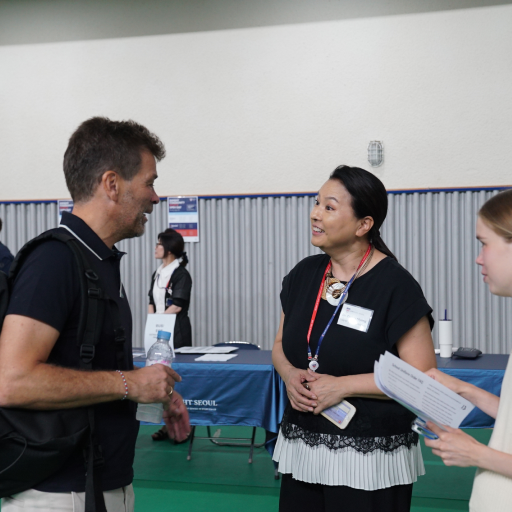
The Importance of School-Home Collaboration
The WS PTS (Parent-Teacher-Student) Conference is a foundational initiative that brings together families, educators, and students in a shared space of reflection, communication, and partnership. Designed to strengthen the relationship between home and school, the conference creates opportunities for genuine dialogue and shared goal-setting. By placing parents, teachers, and students at the center of the conversation, the WS PTS Conference reinforces the significance of collaboration as an essential part of each student’s learning journey.
This collaborative structure enhances parent-teacher relationships by fostering understanding, transparency, and a shared commitment to student growth. When parents and teachers come together in open conversation, they are better positioned to create consistent support systems for children both in and out of school. The conference becomes a platform where strengths, challenges, aspirations, and progress come together to shape meaningful pathways forward. This spirit of parent teacher collaboration not only enriches communication but strengthens the school community as a whole.
At the heart of the WS PTS Conference is the school’s philosophy of open communication and shared responsibility. Schools flourish when the relationship between home and school is grounded in partnership. Students thrive when they see the adults around them working together with mutual respect and a unified goal. Through a structure that values the voice of every participant—parents, teachers, and students—the conference reflects the school’s belief in a learning environment where dialogue is continuous, holistic, and affirming. This shared commitment ultimately builds trust and a sense of belonging across the community.
What Is the WS PTS Conference?
The WS PTS Conference is an annual parent teacher student conference designed to engage all stakeholders in the learning experience. Unlike traditional reporting systems that position teachers as the primary communicators, the PTS model ensures that students take an active role in evaluating their progress, sharing achievements, and identifying growth areas. The conference promotes open communication by inviting parents and teachers into a conversation guided by student reflections, performance evidence, and personalised learning goals.
This subject matter is deeply connected to the overall blog topic because it exemplifies how school-home collaboration becomes a cornerstone of effective education. The WS PTS Conference creates structured opportunities for families to gain insights into learning processes and for teachers to better understand the context and needs of each child. It is an essential part of strengthening the school community by affirming the shared responsibility that parents and teachers hold in shaping the student’s journey.
Examples of the WS PTS Conference in action include students sharing portfolios of their work, discussing areas of confidence and areas for improvement, and setting personal learning goals for the coming term. Parents engage in meaningful conversations with teachers about their child’s wellbeing, while teachers gain valuable perspectives from families that support future planning. Together, these interactions create a holistic understanding of the student’s growth.
Encouraging Meaningful Parent-Teacher Collaboration
Meaningful parent-teacher collaboration is built on trust, communication, and an alignment of expectations. The WS PTS Conference provides a structured environment for these interactions to happen purposefully. Parents are invited into the learning process not only as observers but as partners whose insights and contributions strengthen the learning environment. Teachers, in turn, gain deeper understanding of a student’s home life, interests, and aspirations—factors that contribute significantly to personalised learning.
This collaboration is essential to the blog topic because parent teacher collaboration enhances the support network available to students. When adults engage in open dialogue, students experience more consistent guidance, improved emotional wellbeing, and a shared sense of accountability. The conference acts as a bridge that connects classroom goals with home practices, ensuring that the support students receive is cohesive and meaningful.
Proven examples include parents and teachers working together to create personalised study routines, developing behaviour support strategies, or aligning home and school expectations to reinforce healthy learning habits. In many instances, collaborative planning emerges from these conversations, allowing families and teachers to partner on long-term goals such as literacy development, wellbeing support, or strengthening organisational skills.
Empowering Students Through Student-Led Conferences
Student-led conferences place students at the heart of their learning journey by encouraging them to take ownership of their academic progress. During the WS PTS Conference, students guide the conversation, present evidence of their learning, and articulate personal goals. This empowers them to reflect, communicate confidently, and develop metacognitive skills that are central to academic independence.
The relevance of this subject to the blog topic lies in how student led conferences strengthen the school-home partnership. When students share their experiences directly, parents and teachers gain a deeper understanding of their motivations, interests, and learning styles. This transparency fosters stronger School parent relationship dynamics and supports students in becoming active participants in their growth.
Examples of empowerment during these conferences include students presenting learning journals, showcasing projects, and discussing challenges with honesty and maturity. Students often prepare reflection statements or highlight progress in specific skills such as communication, collaboration, or inquiry. This sense of agency builds confidence and helps students recognise the value of their voice within the learning process.
Strengthening the School Community Through Shared Responsibility
Shared responsibility is a powerful force in strengthening school community dynamics. The WS PTS Conference highlights that education is not the responsibility of the school alone; it is collectively shaped by teachers, families, and students working toward shared goals. This inclusive approach creates a culture of belonging where everyone feels valued and respected. As families engage more deeply with school initiatives, a stronger sense of community and mutual support emerges.
This connection is central to the blog topic because shared responsibility enhances the effectiveness of school-home collaboration. When parents and teachers coordinate efforts, students benefit from a consistent message of encouragement, support, and shared expectations. The conference underscores the idea that learning is a collaborative journey that thrives when nurtured by strong relationships.
Examples include parent workshops that complement conference discussions, teacher-led sessions explaining curriculum expectations, and family engagement in school-wide projects. These collaborative experiences not only reinforce the partnership but also contribute to a supportive, vibrant school culture.
Connecting to the IB Curriculum Framework
The WS PTS Conference also aligns closely with the IB curriculum framework, which emphasises reflection, agency, communication, and collaboration. Within the IB continuum, students are encouraged to reflect on their learning, set goals, and take action—core elements that mirror the structure of student-led PTS conferences. The conference becomes a natural extension of IB principles, reinforcing the attributes of the IB Learner Profile.
This alignment is significant to the blog topic because it demonstrates how school-home collaboration enhances the IB learning experience. By engaging parents in conversations that mirror IB reflective practices, the WS PTS Conference deepens understanding and appreciation of the student’s learning journey. It also ensures that families are active partners in supporting the skills that the IB seeks to cultivate.
Examples include reflections linked to IB learning outcomes, discussions connecting classroom inquiry to real-life experiences, and goal-setting that aligns with IB learner attributes such as being principled, balanced, or reflective. These elements help students bridge school expectations with their broader personal development.
Building Bridges for Lifelong Learning
The WS PTS Conference stands as a testament to the power of strong school-home partnerships. Through open communication, shared responsibility, reflective student engagement, and alignment with the IB framework, the conference strengthens relationships that nurture each student’s growth. By valuing every voice in the learning journey—parents, teachers, and students—the school fosters a community built on trust, collaboration, and purpose. These partnerships serve as bridges that support lifelong learning, ensuring that students grow with confidence, curiosity, and a deep sense of belonging.
Dwight School Seoul offers unparalleled IB education, such as our Primary Year Program and Middle Year Program.