

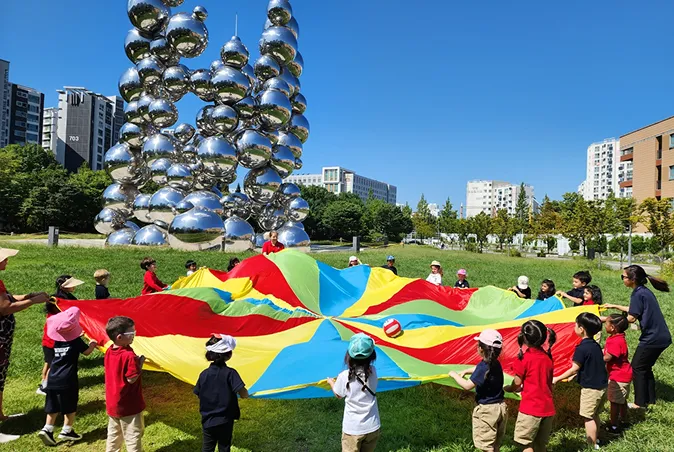
At Dwight School Seoul, we believe that the natural world serves as one of the most powerful classrooms for student learning and development. Our comprehensive nature education programme seamlessly integrates outdoor exploration with academic excellence, creating transformative learning experiences that extend far beyond traditional classroom walls. As one of the leading IB schools in Seoul, we recognize that nature education plays a crucial role in developing well-rounded, environmentally conscious global citizens.

Nature education is an innovative pedagogical approach that immerses students in natural environments, encouraging them to explore, observe, and engage with the world around them. It fosters curiosity, creativity, and critical thinking by allowing students to interact directly with the natural world, supporting physical health, emotional well-being, and cognitive growth while building environmental responsibility.
One of nature education’s most powerful aspects is recognizing the outdoor learning environment as the “third teacher.” Just as teachers and peers influence a child’s learning, so too does the environment. In nature, children are invited to take risks, ask questions, make discoveries, and build resilience. Nature becomes a co-teacher, offering open-ended materials and ever-changing phenomena that stimulate inquiry and deeper understanding.
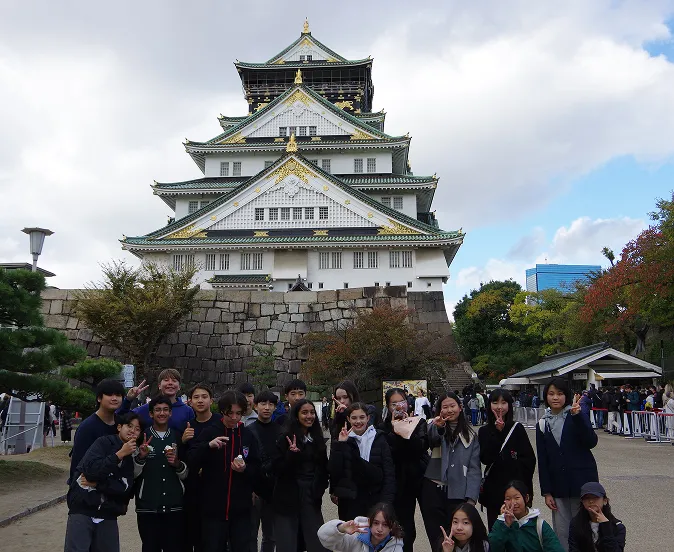
Unlike traditional classroom learning, which typically occurs indoors with structured, teacher-led instruction, nature education encourages experiential student-led exploration outdoors. It shifts focus from passive learning to active engagement, with students using all their senses to investigate real-world concepts. The natural environment serves not only as a settling but as a teaching partner, shaping learning through its unpredictability, diversity, and opportunities for hands-on discovery.
Dwight School Seoul’s nature education program offers vibrant, weekly nature sessions that bring academic subjects to life through real student experiences. Our young learners engage in seasonal nature walks where they observe and document environmental changes, developing scientific thinking and reflective habits. Through hands-on gardening projects, students nurture plants from seed to harvest, gaining insights into plant life cycles, ecosystems, and sustainability practices.
Bug watching and habitat studies allow children to explore micro-habitats and observe insects and creatures, promoting empathy and curiosity for living things. Nature art and loose parts play using found materials like stones, leaves, and bark engage students in creative expression while developing fine motor skills.
These activities are intentionally integrated with our rigorous IB curriculum and inquiry-based approach. In the “Sharing the Planet” unit, children explore biodiversity and human-environment interactions through real-world outdoor inquiries. Outdoor journaling, data collection, and classification activities naturally embed literacy and numeracy skills in authentic contexts. ATL (Approaches to Learning) skills – including thinking, communication, and self-management – are developed through group tasks, self-directed exploration, and reflection on nature-based experiences.
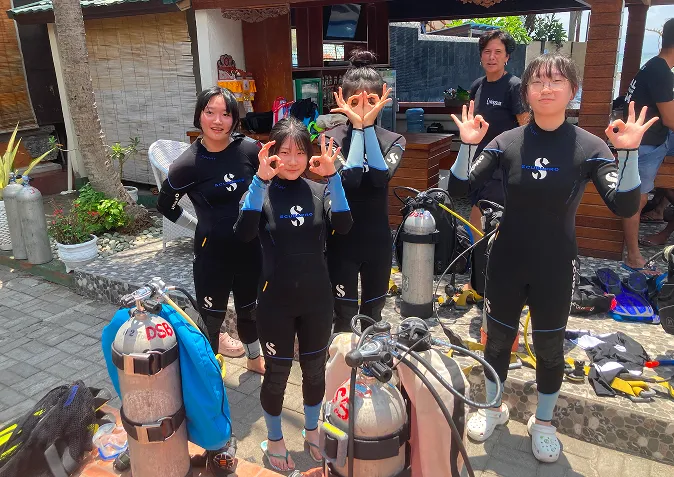
Nature education significantly enhances academic performance by providing concrete, memorable experiences that reinforce abstract concepts. Students demonstrate improved science comprehension, enhanced mathematical problem-solving abilities, and stronger research skills. The multisensory nature of outdoor learning accommodates diverse learning styles, helping all students achieve their potential within our challenging IB program framework.
Through nature education, students develop essential life skills including resilience, teamwork, and leadership. Outdoor challenges build confidence and self-reliance while collaborative projects foster communication skills. Students learn to take calculated risks, overcome obstacles, and develop a growth mindset.
Our programme cultivates deep environmental consciousness and stewardship values. Students develop understanding of ecological interconnections, climate change impacts, and conservation strategies, creating responsible global citizens motivated to protect natural resources.
Dwight School Seoul stands out among best IB schools by offering exceptional facilities and resources specifically designed for nature education excellence. Our campus features dedicated outdoor learning spaces, including native plant gardens and greenhouse facilities for hands-on botanical studies.
Our trained educators combine experts in IB pedagogy with specialized training in outdoor education methodologies. This unique combination ensures that nature education experiences align perfectly with academic standards while maximizing student engagement and learning outcomes. By recognizing the natural environment as a dynamic and responsive co-teacher, we create rich, immersive learning experiences that foster a deep love of learning and the world.
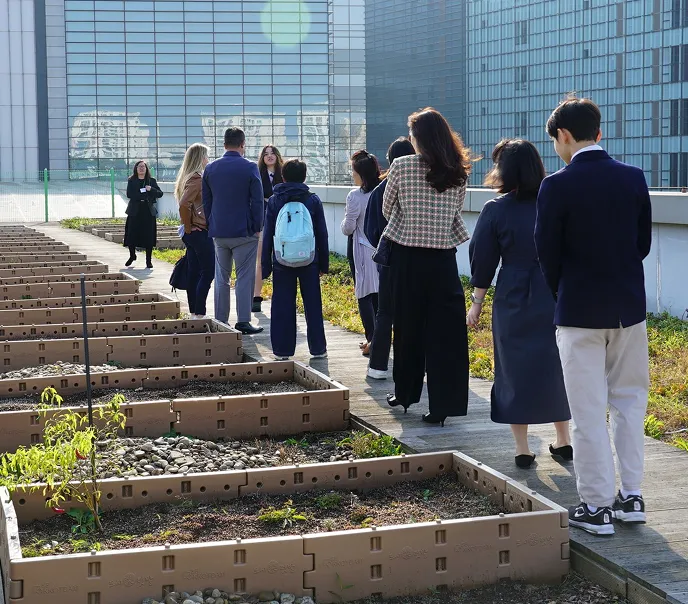
Nature education develops critical thinking, environmental awareness, and hands-on learning skills that complement traditional academic instruction. It helps students understand complex concepts through direct observation while fostering environmental conservation appreciation.
Our nature education programs serve students across all grade levels, with age-appropriate activities designed for early childhood through high school students, carefully structured to match developmental stages.
Activities include seasonal nature walks, gardening projects, bug hunts and habitat studies, nature art with loose parts play, and environmental research projects that integrate with our comprehensive IB curriculum standards.
Our nature education programs are led by certified educators with specialized training in outdoor education methodologies and extensive experience in environmental science instruction, maintaining current safety certification.
Absolutely. We design inclusive nature education experiences that accommodate diverse learning needs and physical abilities, ensuring all students can participate meaningfully in outdoor learning opportunities.