

Table of Contents
Introduction
Independent learning doesn’t mean children have to figure everything out on their own. It means helping them develop the confidence to ask questions, make decisions, solve problems and take responsibility for their learning.
At Dwight School Seoul, we believe that every child learns differently. Through our personalised approach and the International Baccalaureate (IB) programmes, students are encouraged to explore their interests, think independently and become more confident in their abilities.
Teachers guide students throughout this process, gradually giving them more opportunities to make choices and manage their own learning.
Research from the Education Endowment Foundation, based on an analysis of 355 studies, found that approaches focusing on metacognition and self-regulation were associated with an average of eight additional months of progress over a year. While results vary, the findings highlight the value of teaching children how to plan, monitor and reflect on their learning.
What Is Independent Learning?
Independent learning is about taking an active role in learning rather than simply following instructions.
An independent learner begins to understand what they need to achieve, considers how to approach a task and reflects on what they could do differently next time.
This doesn’t mean working alone. Children still learn through discussions, teamwork and guidance from teachers. Being independent also means recognising when to ask for help and knowing how to use the support available to them.
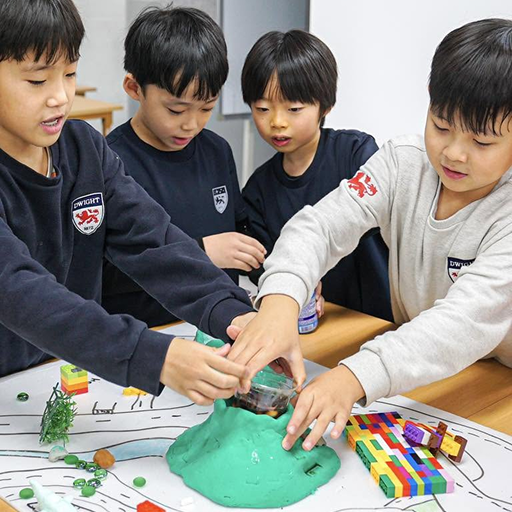
For example, a student working on a science project might decide what question they want to investigate, choose how to collect information and review their findings before presenting them. A teacher is still there to guide the process, but the student takes greater responsibility for the decisions along the way.
At Dwight School Seoul, this is an important part of personalised learning. We encourage students to discover their strengths, develop their interests and become active participants in their education.
How Does IB Education Promote Independent Learning?
The IB encourages students to become curious, reflective and responsible learners. Rather than focusing only on memorising information, students are encouraged to ask questions, explore ideas and connect what they learn to the world around them.
At Dwight School Seoul, we offer the full IB Continuum, from the Primary Years Programme (PYP) through the Middle Years Programme (MYP) to the Diploma Programme (DP). As students move through these programmes, they have opportunities to develop greater independence in ways appropriate to their age and stage of learning.
In the PYP, children develop curiosity through inquiry and hands-on learning. In the MYP, students begin to take greater responsibility for research, projects and managing their work. By the DP, they are expected to demonstrate stronger independent research, critical thinking and time-management skills.
These experiences help students gradually build the confidence to make decisions and take ownership of their learning.
IB Learning Approach | Independent Learning Skills Developed |
Inquiry-based learning | Questioning, investigation and curiosity |
Student choice | Planning and decision-making |
Collaborative learning | Communication and shared responsibility |
Reflection | Self-awareness and evaluation |
Interdisciplinary learning | Making connections and applying knowledge |
Long-term projects | Planning, perseverance and time management |
Essential Learning Skills for Independent Learning
The IB identifies five key Approaches to Learning (ATL) skill categories that support students throughout their education.
- Research skills
- Communication skills
- Thinking skills
- Social skills
- Self-management skills
These skills are developed across different subjects and learning experiences. A student might use research skills to investigate a historical event, communication skills to present an idea or self-management skills to organise a group project.
At Dwight School Seoul, we encourage students to practise these skills in meaningful ways, whether they are working independently, collaborating with classmates or exploring a topic that interests them.
Over time, students become more comfortable asking questions, evaluating information, sharing ideas and managing their responsibilities.
Developing Research and Critical Thinking Skills
With so much information available online, knowing where to find reliable information has become an important skill for students.
Children need to learn how to question what they read, compare different sources and decide whether information is accurate and relevant. These habits are useful not only for school assignments but also in everyday life.
At Dwight School Seoul, research and critical thinking are developed throughout the IB programmes. Younger students begin by asking questions and exploring topics through guided inquiry, while older students are encouraged to investigate more complex issues and form their own conclusions.
In the IB Diploma Programme, students take this further through the Extended Essay (EE), an independent research project that requires them to develop a research question, investigate a topic and present a structured argument supported by evidence.
Theory of Knowledge (TOK) also encourages students to consider how knowledge is formed, how we know what we claim to know and why different perspectives matter.
Together, these experiences help students become more thoughtful and responsible learners.
Building Self-management Skills
Most students have experienced sitting down to complete an assignment and not knowing where to start. A large project can feel overwhelming, particularly when there are several deadlines to manage.
Learning how to organise tasks and manage time can make a big difference. Rather than trying to complete everything at once, students can break assignments into smaller steps and set realistic goals for each stage.
Some practical habits include:
- Setting clear goals before starting a task
- Breaking large assignments into manageable steps
- Using a planner or calendar to keep track of deadlines
- Finding a quiet space and reducing distractions
- Checking progress regularly and making adjustments when needed
Reflection is equally important. After completing a task, students can ask themselves:
- What worked well?
- What could I improve?
- What would I do differently next time?
At Dwight School Seoul, students are encouraged to reflect on their learning and develop the self-management skills they need as they progress through the IB programmes.
Encouraging Student Choice and Responsibility
Children are often more engaged when they have some say in what and how they learn. Giving students opportunities to make choices can help them feel more responsible for their work.
This doesn’t mean allowing students to do whatever they want. Teachers provide clear expectations and guidance while giving students appropriate opportunities to make decisions.
For example, students might choose a topic for a research project, decide how to present their findings or create a timeline for completing an assignment.
At Dwight School Seoul, student agency is an important part of our personalised learning approach. We encourage students to explore their interests, take initiative and learn from the choices they make.
Classroom Strategy | How It Develops Independence |
Choice of project topic | Encourages interest and personal engagement |
Student-created timeline | Develops planning and responsibility |
Research checklist | Helps students evaluate information and stay organised |
Peer feedback | Builds communication and reflection skills |
Reflection journal | Encourages students to recognise progress and challenges |
Student-led conference | Provides opportunities to discuss learning and set goals |
As students become more comfortable making decisions, they also begin to understand that choices come with responsibilities. Learning to adjust a plan or respond to feedback is part of becoming an independent learner.
The Role of Teachers in Independent Learning
Independent learning doesn’t mean teachers step away from the learning process. In fact, their guidance is especially important while students are developing these skills.
Teachers help students understand how to approach unfamiliar tasks, ask useful questions and recognise when a strategy isn’t working.
For example, a teacher might demonstrate how to evaluate a research source before asking students to try it themselves. With practice, students become more confident in making these decisions independently.
This gradual approach, often called scaffolding, allows students to build skills with support before taking on greater responsibility.
Feedback also plays an important role. Rather than simply telling students whether an answer is right or wrong, useful feedback helps them understand what they have done well and what they could improve.
At Dwight School Seoul, our teachers aim to understand each student’s learning needs and provide appropriate guidance and challenge. Through personalised learning, students are supported as they develop the confidence to work more independently.
How Can Parents Support Independent Learning at Home?
Independent learning doesn’t stop when the school day ends. Parents can help children develop these skills through simple, everyday routines.
One useful starting point is creating a regular study routine. Having a suitable workspace and a clear understanding of what needs to be done can help children stay organised.
When your child gets stuck, try asking questions instead of immediately providing the answer. For example:
- What do you think the task is asking you to do?
- What have you tried so far?
- Is there another way you could approach this?
- What could you do differently next time?
These questions encourage children to think through a problem rather than depend on someone else to solve it.
It is also important to allow room for mistakes. Forgetting something, struggling with a difficult task or needing to change a plan can all become useful learning experiences.
Parents can support children by recognising effort, encouraging reflection and knowing when to offer help. If a child continues to struggle, speaking with their teacher can help identify a suitable approach.
At Dwight School Seoul, we value the partnership between home and school. When parents and teachers work together, children are better supported in developing confidence, responsibility and independence.
Preparing Students for Lifelong Learning
Learning how to learn is a skill students will continue to use long after they leave school.
As children grow older, they will encounter new subjects, unfamiliar situations and increasingly complex decisions. Being able to organise their time, research information, solve problems and ask for help will become even more important.
These skills are particularly valuable as students prepare for university, where they are expected to manage much of their own learning. They are equally useful beyond education, in the workplace and everyday life.
At Dwight School Seoul, our IB Continuum and personalised approach aim to help students become confident, capable learners who are ready to take on new challenges.
We want students to leave school not only with academic knowledge but also with the curiosity, independence and confidence to keep learning throughout their lives.
Conclusion
Independent learning is something children develop gradually, with encouragement, practice and guidance from the adults around them.
By learning how to set goals, manage their time, ask questions and reflect on their progress, students become more confident in taking responsibility for their education.
At Dwight School Seoul, our IB programmes and personalised learning approach provide opportunities for students to build these skills throughout their school journey.
Our goal is to help every child discover their strengths, develop a love of learning and gain the confidence to explore what comes next, reflecting Dwight’s commitment to igniting the spark of genius in every child.
Frequently Asked Questions (FAQs):
1. What are the first steps to help a student become an independent learner?
Start with small, manageable responsibilities. Encourage your child to set a simple goal, make a plan and reflect on how it went. As they become more confident, gradually give them more responsibility for organising their work and making decisions.
2. How does inquiry-based learning encourage students to take ownership of their learning?
Inquiry-based learning encourages students to ask questions, explore ideas and find answers through investigation. Rather than simply receiving information, they take an active role in discovering and understanding new concepts. This approach is central to the IB education offered at Dwight School Seoul.
3. Which self-management habits are important for successful independent learning?
Useful habits include setting goals, planning ahead, managing time, staying organised and reviewing progress. Students should also learn to recognise when they need a break or additional support.
4. How can students evaluate their own learning progress effectively?
Students can reflect on feedback from teachers, review their work against learning goals and think about what they have improved. Asking questions such as “What went well?” and “What could I do differently?” can help them recognise their progress and identify their next steps.
5. What can parents do when their child struggles to work independently?
Try breaking the task into smaller steps and asking your child what they find difficult. Give them time to think and try different approaches before stepping in. If the same difficulties continue, speak with their teacher about ways to provide consistent support at home and school.