

Preparing students not just for university admissions but for a lifetime of learning, leadership, and purpose.
Executive Summary
The future is evolving rapidly. Emerging technologies, changing industries, and increasingly competitive university admissions are reshaping the skills students need to succeed.
For parents, this raises an important question: How can children be prepared not only for university, but also for lifetime of learning, leadership and adaptability?The answer lies in providing educational opportunities that extend beyond academic achievement Students benefit from experiences that build confidence, curiosity, resilience, and a global awareness alongside strong academic foundations.
At Dwight School Seoul, students are empowered to discover and develop their unique strength through personalised learning, the International Baccalaureate (IB) framework. By combining academic rigor, global perspectives, leadership opportunities, and individualised support, Dwight helps students develop the knowledge, skills, and character needed to thrive in higher education and an ever-changing world. Why Future-Ready Education Matters in Today’s World
Parents today are preparing children for a future that may look very different from the present.
As industries evolve and technology continues to reshape the world, universities and employers increasingly value skills such as critical thinking, communication, creativity, collaboration, and adaptability. While subject knowledge remains important, students must also be able to learn continuously, solve complex problems, and apply their knowledge in new contexts.
For families in Seoul, educational choices can feel particularly significant. Many parents are balancing local and international pathways while considering future university destinations in Korea, North America, Europe, and beyond.
In this environment, future-ready education is no longer a luxury—it is a necessity.
The most effective schools combine academic excellence with opportunities for leadership, global learning, and personal growth, helping students develop the confidence and capabilities needed to thrive in an increasingly interconnected world.
What Is Future-Ready Education?
Future-ready education is an approach that prepares students for success not only in higher education but also throughout their lives.
Rather than focusing solely on academic achievement, it empowers students to develop the knowledge, skills, character, and global mindset needed to navigate change, embrace opportunity, and make meaningful contributions in an increasingly interconnected world.
Core Elements of Future-Ready Education
Academic Excellence
Strong foundations in literacy, mathematics, sciences, humanities, languages, and the arts.
Personal Growth
Self-awareness, resilience, independence, and emotional intelligence.
Global Competence
Understanding diverse perspectives, cultures, and global issues.
Transferable Skills
Communication, collaboration, critical thinking, creativity, and leadership.
At Dwight School Seoul, these elements work together to create educational experiences that are both academically rigorous and personally meaningful.
What Are Educational Opportunities in School?
Educational opportunities encompass a range of experiences, including academic, extracurricular, leadership, service, and experiential learning, that help students grow intellectually, socially, emotionally, and ethically.
The strongest educational opportunities encourage students to move beyond passive learning and actively engage with ideas, challenges, and communities.
For parents evaluating schools, it is often these opportunities—rather than curriculum alone—that shape a student’s long-term success.
Educational Opportunities That Support Student Growth
Personalised Learning That Recognises Every Child
No student learns in the same way.
One of the defining characteristics of Dwight School Seoul is its commitment to personalised learning. Rather than defining success through a single pathway, the school empowers students to pursue their individual strengths, interests, and goals while developing confidence as independent learners. This approach begins from the earliest years, including within Dwight School’s prekindergarten curriculum, where curiosity, inquiry, and student agency are nurtured through purposeful exploration and play.
As students progress through the school, personalised learning continues to help them develop confidence as learners and discover areas where they can thrive.
Inquiry-Based Learning That Encourages Independent Thinking
The ability to ask meaningful questions may be one of the most valuable skills students can develop.
Inquiry-based learning encourages students to investigate ideas, analyse evidence, and construct understanding through exploration rather than memorisation.
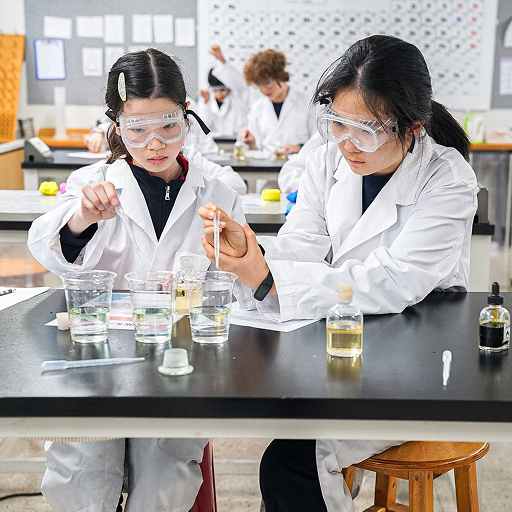
As an IB World School, Dwight School Seoul fosters a culture of inquiry where students are encouraged to ask questions, challenge assumptions, and take ownership of their learning. Whether examining scientific challenges, exploring historical perspectives, or developing innovative solutions to real-world problems, students learn to think critically, independently, and with purpose.
These habits of mind not only support academic success but also prepare students to navigate complex challenges at university and beyond.
Leadership, Service, and Student Agency
Future-ready students do more than participate—they contribute.
At Dwight School Seoul, students are encouraged to take initiative and make meaningful contributions both within and beyond the classroom. Through leadership opportunities, service learning, extracurricular activities, athletics, and the arts, students develop confidence, responsibility, and a strong sense of purpose.
Student agency is a key component of the Dwight experience, empowering learners to pursue their interests, lead projects, and create positive impact in their communities.
These experiences foster personal growth, resilience, and leadership skills that prepare students for future success in an interconnected world.
Four Pillars of Future-Ready Education
Academic Excellence
Strong subject knowledge and intellectual curiosity
Personalised Learning
Individual strengths, interests, and aspirations
Global Citizenship
International-mindedness and cultural understanding
Leadership & Innovation
Confidence, initiative, and problem-solving
How Global Education Opportunities Expand Student Potential
Why Global Perspectives Matter
Today’s students will live and work in a globally connected world.
The ability to understand different cultures, communicate across perspectives, and collaborate with diverse communities has become increasingly valuable in both higher education and professional environments.
Global education opportunities help students develop empathy, adaptability, and intercultural understanding.
Learning Within an International Community
At Dwight School Seoul, students engage daily with peers, teachers, and ideas from around the world.
This exposure encourages students to challenge assumptions, appreciate diverse viewpoints, and develop the confidence to participate in global conversations.
Such experiences prepare students not only to study internationally but also to contribute meaningfully within increasingly interconnected societies.
Preparation for Universities Worldwide
Many families considering international education are also thinking ahead to university pathways.
Students who participate in globally recognised programmes such as the International Baccalaureate often develop qualities valued by universities worldwide, including:
- Independent research skills
- Intellectual curiosity
- Analytical thinking
- Time management
- Global awareness
For parents researching top IB schools, it is important to consider not only academic outcomes but also how a school prepares students for long-term success beyond admissions.
Educational Opportunities and Skills Development
| Educational Opportunity | Skills Developed |
| Inquiry-Based Learning | Critical thinking, research |
| Collaborative Projects | Teamwork, communication |
| Student Leadership | Confidence, responsibility |
| Service Learning | Empathy, citizenship |
| Arts Programmes | Creativity, self-expression |
| Athletics | Discipline, resilience |
| International Experiences | Cultural intelligence |
| IB Programmes | Independent thinking, global awareness |
Career Opportunities for Students Begin Long Before Graduation
Many students are asked what they want to be when they grow up.
A more helpful question may be, ‘What problems do they want to solve?’
Career readiness is not about asking children to choose a profession at an early age. Rather, it is about helping students explore interests, understand possibilities, and develop transferable skills.
Career Exploration and Guidance
Early exposure to career pathways allows students to connect classroom learning with real-world applications.
Through thoughtful guidance, students can begin identifying areas that align with their interests, strengths, and aspirations.
This process helps students make informed decisions about future academic and university pathways.
Real-World Learning Experiences
Students benefit from opportunities to see how learning applies beyond school.
Examples may include:
- Industry speakers
- Entrepreneurial projects
- Service initiatives
- Collaborative problem-solving challenges
- Community engagement opportunities
Such experiences help students understand how academic learning connects to the wider world.
Why Early Career Exploration Matters
Research consistently suggests that students who receive meaningful career guidance are more likely to feel confident about future educational decisions and career pathways.
Career exploration supports:
- Greater student engagement
- Improved goal-setting
- Stronger motivation
- Better alignment between interests and academic choices
Skills Students Need for the Future Workforce
While specific careers may change, certain capabilities remain consistently valuable.
Adaptability and Resilience
Students need the confidence to embrace change, learn from setbacks, and navigate uncertainty.
Digital Literacy and Innovation
Understanding technology and using it responsibly will remain essential across industries.
Communication and Collaboration
Students must be able to express ideas clearly, listen actively, and work effectively with others.
Critical Thinking and Problem-Solving
Future challenges require thoughtful analysis, creativity, and informed decision-making.
These skills are developed not through isolated lessons but through meaningful educational experiences across a student’s entire school journey.
How to Evaluate Educational and Career Opportunities When Comparing Schools
Parents often compare schools based on curriculum, reputation, and academic outcomes. Equally important, however, are the opportunities students experience every day.
| Question to Ask | Why It Matters |
| How personalised is the learning experience? | Students thrive when education reflects their strengths and interests. |
| How does the school prepare students for university? | Long-term planning supports successful transitions. |
| What leadership opportunities exist? | Leadership builds confidence and initiative. |
| How global is the learning environment? | International exposure develops cultural competence. |
| How does the school support wellbeing? | Academic success and wellbeing are deeply connected. |
| What opportunities exist beyond the classroom? | Real-world experiences help students discover passions and purpose. |
How Parents Can Support Their Child’s Educational and Career Journey
Schools play an important role, but families remain a child’s first and most influential educators.
Parents can support future readiness by:
- Encouraging curiosity and exploration
- Celebrating effort and growth
- Supporting extracurricular involvement
- Discussing goals and aspirations openly
- Helping children reflect on strengths and interests
- Modelling lifelong learning
When schools and families work together, students are better positioned to develop confidence, resilience, and purpose.
Key Takeaways
- Future-ready education prepares students for university, careers, and lifelong learning.
- Strong educational opportunities combine academic excellence with leadership, wellbeing, and global awareness.
- Global education opportunities help students develop intercultural understanding and international perspectives.
- Career opportunities for students are strengthened through exploration, guidance, and real-world learning experiences.
- Personalised learning helps students discover strengths, interests, and aspirations.
- Dwight School Seoul supports student growth through the IB framework, personalised learning, and a globally minded educational environment.
Conclusion
The future will belong to individuals who can learn continuously, think independently, collaborate across cultures, and lead with purpose.
For parents, choosing a school is therefore about more than selecting an academic programme. It is about creating an environment where a child can discover their strengths, develop confidence, and acquire the skills necessary to navigate an uncertain world.
At Dwight School Seoul, future-ready education is grounded in personalised learning, global perspectives, and a commitment to helping every student ignite their spark of genius. Through meaningful educational opportunities, an internationally recognised IB education, and experiences that extend beyond the classroom, students are prepared not only for university admissions but for a lifetime of growth, contribution, and success.