

Table of Contents
The PYP Early Years Program is a foundational segment of the International Baccalaureate Primary Years Programme (IB PYP curriculum), designed specifically for the youngest learners embarking on their educational journey. It offers an inquiry-driven, play-based, and developmentally responsive approach that nurtures curiosity, creativity, and confidence during a child’s earliest stages of learning. By weaving exploration with structured support, the PYP Early Years ensures children experience school as a place of discovery, connection, and joyful growth. At its heart, the program is crafted to help young learners make sense of the world in meaningful and authentic ways, setting the stage for future success in the PYP primary grades and beyond.
Understanding the PYP Early Years is vital because early childhood education forms the core of a child’s long-term academic and personal development. This stage is not simply about early alphabet knowledge or basic numeracy skills; it is about building the emotional, social, and cognitive foundation that supports lifelong learning. The PYP Early Years aligns these essential learning experiences within the broader framework of the IB primary years, ensuring that even the youngest students are developing international-mindedness, agency, and the confidence to ask questions. This alignment is significant because it creates a sense of continuity, allowing children to transition naturally into higher grades within the PYP primary grades while maintaining consistent learning values, expectations, and approaches.
Real classroom examples highlight the impact and relevance of the PYP Early Years in shaping young learners. For instance, when children investigate the concept of “community,” they might build model towns, interview school staff, or observe how people collaborate. These experiences demonstrate that even early learners can grasp and interpret complex ideas when they are empowered to explore. Another example is science-based inquiry, where children observe how plants grow by experimenting with water, sunlight, and soil. This hands-on approach brings abstract ideas to life and ensures learning remains student-driven. Such examples show that the Early Years curriculum supports children in making connections, taking ownership, and developing essential learning attitudes from the very start.
What Is the PYP Early Years Program?
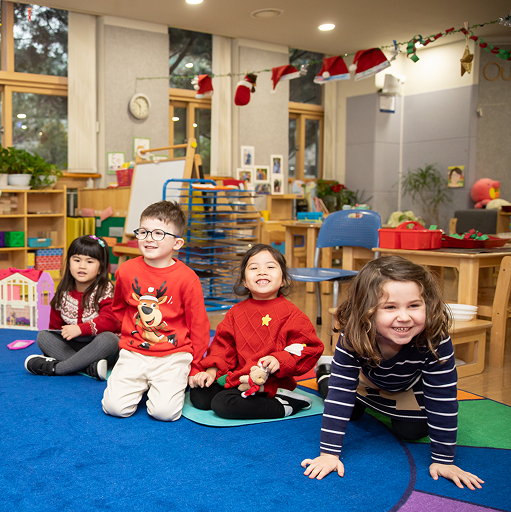
The PYP Early Years Program is the International Baccalaureate’s framework for children aged three to six, offering a comprehensive learning experience that blends structured inquiry with play-based exploration. It focuses on nurturing curiosity through questions, hands-on experiences, and student-initiated investigations. Rather than memorizing content, children learn through active engagement, allowing them to develop foundational skills in communication, thinking, self-management, and social interaction. The program encourages children to find their voice, express their ideas, and reflect on their learning, making it a deeply empowering educational beginning.
Its importance lies in how seamlessly it supports the overall Topic of the PYP Primary Years Programme. By placing inquiry at the forefront from the earliest stages, the program ensures children develop the habits of mind that are essential throughout the IB primary years. Children learn that their ideas matter, that questions are powerful tools, and that learning is a process shaped by curiosity. This approach helps them feel confident as learners and prepares them to engage positively with the increasingly complex units of inquiry they will encounter in later grades within the PYP primary grades framework.
Examples of successful implementation are visible in Early Years classrooms worldwide. When children explore concepts like “change,” they may observe weather patterns, explore seasonal transformations, or experiment with melting ice. These activities support conceptual learning while maintaining the joyful spontaneity of childhood. Through such explorations, children learn to think critically and communicate their observations—skills that benefit them across all stages of the IB primary years.
Age Group Covered in PYP Early Years
The PYP Early Years Program typically covers children aged three to six, forming the entry point into the full IB PYP curriculum. This early age range is intentionally chosen because it represents a period of rapid brain development, emotional formation, and foundational skill-building. The program acknowledges that children in this age group learn best through active exploration, relationships, and meaningful routines. Therefore, the learning environment is intentionally flexible, responsive, and supportive of diverse developmental needs.
Understanding why this age range matters is essential to appreciating the broader significance of the PYP Primary Years. Early Years education provides the building blocks for academic readiness, personal resilience, and social confidence. These are the traits that allow children to successfully engage with the structured inquiry and interdisciplinary learning that define the IB primary years. When children begin their learning journey within the PYP framework from an early age, they gain a consistent experience that strengthens their sense of belonging and purpose in school.
Proven examples show how developmentally aligned the PYP Early Years is for this age group. A class of four-year-olds learning about “relationships” might observe how emotions change in different scenarios, role-play conflict resolution, or explore storytelling as a way of expressing feelings. These experiences reflect the intentional design of the program: age-appropriate learning rooted in inquiry, reflection, and connection.
Key Features of the IB Primary Years Model in Early Years
The IB Primary Years model emphasizes inquiry-based learning, conceptual understanding, and the development of the whole child. In the Early Years, these features are translated into play-rich learning experiences where children explore big ideas through hands-on activities, guided conversations, and purposeful interaction with their environment. The program is grounded in the belief that children are capable thinkers whose questions and observations shape the direction of learning.
This alignment is important because it ensures continuity across the entire IB primary years journey. When Early Years learners engage with concepts like form, causation, and responsibility, they are laying the groundwork for deeper interdisciplinary inquiry in later grades. The consistency of these features helps strengthen academic confidence and fosters a sense of agency that carries forward into the PYP primary grades.
Examples of this include units where children explore natural cycles by observing seed growth, investigating patterns through art and music, or exploring identity through personal storytelling. These experiences are not isolated tasks; they are part of a holistic learning model that connects concepts, skills, and attitudes in meaningful ways.
Benefits of the PYP Early Years for Young Learners
The PYP Early Years offers numerous benefits for young children, including enhanced communication skills, emotional resilience, problem-solving abilities, and independence. Children learn to collaborate, express themselves, make choices, and reflect on their learning—skills essential for both academic and personal growth. The program also nurtures international-mindedness from an early age, helping children appreciate diversity and develop empathy.
This is important because these benefits shape a child’s long-term educational pathway. By experiencing a learning environment that values curiosity, respect, and creativity, children become active participants in the IB primary years rather than passive recipients of information. This prepares them not only for future learning in the PYP primary grades but also for becoming thoughtful, engaged members of their communities.
Examples of these benefits are evident when children take on leadership roles in classroom routines, share their ideas during group inquiry sessions, or demonstrate perseverance while solving open-ended challenges. Such moments reflect the growth of essential attributes like confidence, independence, and collaboration—key goals of the IB PYP curriculum.
Conclusion
The PYP Early Years Program serves as the foundation for a child’s journey through the IB primary years, offering a dynamic, inquiry-driven environment designed for young learners aged three to six. Through meaningful exploration, conceptual understanding, and play-based inquiry, children develop the essential skills that support long-term learning in the PYP primary grades. By nurturing curiosity, confidence, and a love for discovery from the very beginning, the PYP Early Years ensures that every child enters their educational pathway empowered, engaged, and inspired to learn.
Enrol for Dwight School Seoul’s IB Diploma Program to foster a global pathway for your child today.