

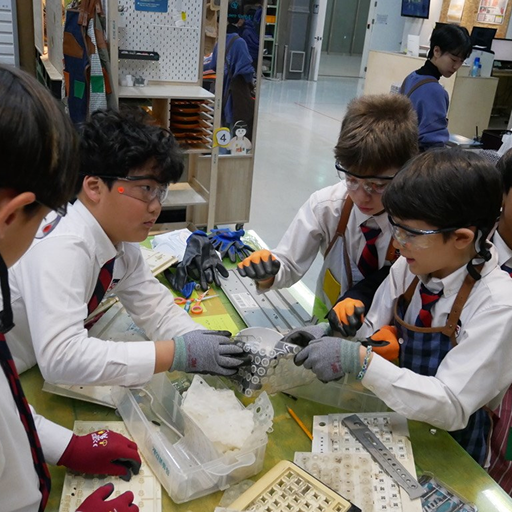
The IB Primary Years Program (PYP) lays the foundation for a lifelong journey of curiosity, empathy, and global-minded thinking. Designed for young learners, the PYP nurtures children as whole individuals—emotionally, socially, and academically. Instead of focusing solely on content knowledge, the program encourages students to explore, ask questions, and learn through meaningful experiences that build confidence and independence. Central to this approach is the development of collaboration and communication skills, two essential competencies that empower children to engage thoughtfully with the world around them.
These skills are particularly important because the International Baccalaureate recognises collaboration and communication as core elements of 21st-century learning. As young learners work together, share ideas, negotiate roles, and express their opinions with clarity, they develop abilities that extend far beyond the classroom. These capacities help children navigate relationships, solve problems creatively, and adapt to new situations—qualities that support their long-term academic and personal success. For this reason, nurturing collaboration in PYP students and strengthening communication skills in PYP is a vital aspect of early education.
This foundation becomes even more significant as students progress toward the international middle years curriculum and the later stages of the IB journey. Children who develop strong collaboration and communication habits early on transition more confidently into environments that require group work, inquiry-driven learning, and critical thinking. At Dwight Seoul, we recognize the importance of these skills, ensuring that students begin their learning path with opportunities that help them succeed now and in the future.
Understanding Collaboration and Communication in the IB Primary Years Program
Collaboration and communication are integral parts of the IB Primary Years Program. Collaboration invites students to work together, listen actively, and share responsibility for learning. Communication encourages children to express themselves clearly, understand others, and engage in dialogue that builds mutual respect. Within the PYP, these skills help students learn not only from their teachers but from one another, reinforcing the idea that learning is a shared experience.
These concepts connect closely to the broader topic of the blog because collaboration and communication are essential for developing holistic learners who are prepared for future academic environments. When students master these skills early, they become more confident in group settings, better equipped to articulate their ideas, and more willing to engage in collective problem-solving. This aligns with the IB philosophy of nurturing globally minded individuals capable of contributing positively to their communities.
Examples of collaboration and communication in action include group inquiry projects where students explore questions together, morning meetings where they share feelings and ideas, and peer feedback activities where children practise active listening. These moments show how the PYP integrates these skills naturally into everyday learning.
Classroom Strategies to Foster Collaboration in PYP Students
Classroom strategies are essential for helping young learners become confident collaborators. Teachers in the PYP design activities that require children to work together, share roles, and depend on one another to complete tasks. These may include cooperative learning games, group problem-solving challenges, or inquiry tasks that encourage students to discuss their ideas and build shared understanding.
The importance of these strategies becomes clear when we consider how they contribute to the blog’s larger focus: strengthening collaboration in PYP students as a foundation for future learning. When students practise working together, they learn how to compromise, respect different perspectives, and contribute meaningfully to a common goal—skills that become invaluable as they continue through the IB curriculum. Collaboration also helps students develop empathy and confidence, both of which support their emotional well-being.
Real examples of these strategies can be seen in group STEM challenges where students design solutions together, classroom centers where children rotate and collaborate on themed activities, or project-based learning tasks where teams work toward creating a final product. These experiences show children that learning is richer and more meaningful when shared with others.
Building Strong Communication Skills in PYP Students
Communication skills in PYP students are strengthened through opportunities that encourage speaking, listening, reading, writing, and self-expression. In the PYP, communication is not simply about talking; it involves sharing ideas clearly, using appropriate language, and understanding how others communicate. Through storytelling, class discussions, presentations, and multimodal projects, students grow confident in expressing themselves and engaging with peers.
This subject matter is essential to the blog’s theme because communication is deeply intertwined with collaboration and is one of the most important capacities young learners can develop. Strong communication skills enable students to articulate their thoughts, ask questions, resolve conflicts, and participate actively in inquiry-based learning. These abilities prepare them well for the international middle years curriculum and build the foundation for advanced academic work.
Examples include activities like show-and-tell sessions where students share personal stories, partner-reading exercises that strengthen listening skills, and class meetings where children discuss their learning goals. Creative arts projects, such as drama or visual storytelling, also offer rich opportunities for communication development.
Role of Teachers in Encouraging Collaboration and Communication
Teachers play a crucial role in shaping environments where collaboration and communication flourish. In the PYP, teachers act as facilitators, guiding students through inquiry, encouraging dialogue, and modeling respectful communication. They design classroom spaces that support interaction and provide learning experiences that require teamwork, problem-solving, and thoughtful expression.
This role is vital to the blog’s broader focus because effective teaching practices ensure that students consistently develop these skills throughout their early years. When teachers prioritize collaboration and communication in their daily routines, they help students build confidence and strengthen the foundations needed for success in later stages of the IB journey. Teacher guidance ensures that each child feels valued, heard, and supported.
Examples of strong teacher involvement include leading reflective discussions after group work, teaching sentence starters that help students communicate respectfully, or facilitating cooperative games that reinforce teamwork. Teachers may also model effective communication by demonstrating active listening and encouraging students to do the same.
Role of Parents and the School Community
Parents and the wider school community play an essential role in reinforcing collaboration and communication skills. When families engage in conversations at home, support social interactions, and provide opportunities for shared activities, children learn that communication and cooperation are valued both in and out of school. Likewise, a strong school community offers events, clubs, and experiences where students interact with peers, teachers, and other families.
This relationship to the blog’s focus highlights the importance of consistency between home and school. Collaboration and communication become stronger when children experience them across different settings. Parents and the school community help ensure that the values fostered in the IB Primary Years Program translate seamlessly into everyday life and future learning environments.
Examples of this partnership include family reading activities, school-wide events such as exhibitions or performances, and opportunities for children to participate in group sports or community projects. These shared experiences help strengthen children’s confidence and social awareness.
Benefits of Developing Collaboration and Communication Skills in Early Years
The benefits of developing collaboration and communication skills in early years extend far into a child’s academic and personal future. When young learners understand how to work with others, express themselves clearly, and listen thoughtfully, they build the foundations of emotional intelligence, empathy, and resilience. These skills help children form positive relationships, manage conflicts, and engage confidently in learning.
This significance ties directly to the blog’s overall theme by emphasizing why collaboration and communication are essential elements of early education within the IB Primary Years Program. As students progress through the international middle years curriculum, these capabilities continue to shape their academic journeys, supporting them in complex tasks that require teamwork, inquiry, and thoughtful discussion.
Examples of long-term benefits include students becoming confident public speakers, effective group members during project-based learning, and reflective learners who can articulate their ideas with clarity. These skills support transitions to more advanced stages of learning and prepare students for the globally interconnected world ahead.
Conclusion: Building Confident Communicators and Collaborators
Encouraging collaboration and communication in PYP students is an essential part of nurturing well-rounded, confident learners who are ready to take on the challenges of the future. Through meaningful inquiry, supportive relationships, and a strong community of teachers and families, students in the IB Primary Years Program develop the skills they need to thrive academically, emotionally, and socially. These early experiences not only prepare them for the international middle years curriculum but also shape the kind of globally minded individuals they will become. By strengthening their ability to work together and communicate with clarity, we empower young learners to build lasting connections and contribute positively to an ever-changing world.
Enrol for Dwight School Seoul’s Middle Year Program and safeguard your child’s future today.