

Table of Contents
Empowering Young Learners in a Digital World
The presence of technology in early education has grown rapidly in recent years, shaping how young children explore ideas, communicate with others, and build an understanding of the world around them. From tablets and interactive learning platforms to creative digital tools that help students express their thinking, technology is an essential part of how modern learners navigate information. As families and educators recognize the importance of preparing children for an increasingly digital society, teaching digital skills for young learners has become a foundational priority rather than an optional addition.
Within the IB Primary Years Programme (PYP), technology plays a thoughtful and transformative role, designed not as a distraction or a shortcut, but as a meaningful extension of inquiry, creativity, and collaboration. The PYP framework encourages children to ask questions, think critically, and construct understanding through exploration. Technology enhances these experiences by offering diverse and engaging pathways for students to express their ideas and connect with others.
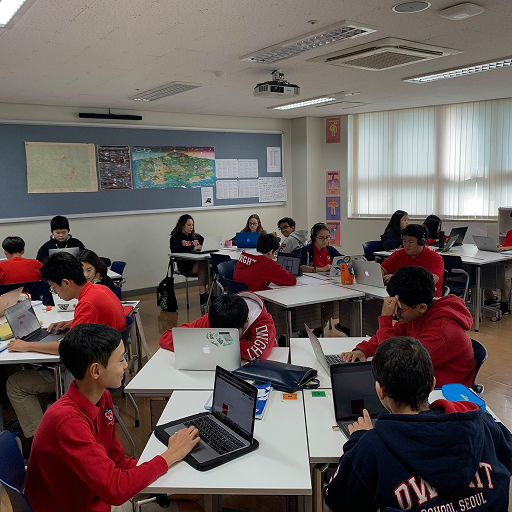
Dwight School Seoul stands as a leader among technology-rich international schools, offering an environment where innovation and human connection work hand-in-hand. Through intentional integration of digital tools in IB classrooms, Dwight nurtures responsible, confident, and imaginative digital learners who are prepared not just for the next stage of their education, but for a dynamic global future.
1. The IB PYP Philosophy and the Role of Technology
The IB PYP emphasizes inquiry-driven learning that nurtures curiosity, critical thinking, and genuine engagement with the world. Technology fits seamlessly into this philosophy, serving as a tool rather than a subject. Young learners are encouraged to use digital platforms not simply to receive information, but to explore, question, and create.
This approach reflects the evolving nature of learning in a modern world where students must be able to analyze, interpret, and express ideas through multiple formats. As children interact with digital tools, they gain access to information that deepens conceptual understanding and supports independent investigations. Whether students are documenting their thinking through photos, gathering data through applications, or reflecting on their learning through digital portfolios, technology enriches the inquiry cycle.
By weaving technology into transdisciplinary learning, the PYP ensures that digital experiences remain purposeful and connected to broader learning goals. In this way, digital learning in IB schools supports student agency by empowering learners to make choices, demonstrate understanding in creative ways, and engage with concepts from new perspectives.
2. Building Digital Skills for Young Learners
Building digital skills for young learners is essential in preparing them for an increasingly interconnected world. These skills begin with simple interactions—such as learning how to navigate a device, use age-appropriate educational platforms, and capture photos or videos—and grow into more advanced competencies over time. As students move through the PYP, they learn to organize information, curate digital evidence of their understanding, and use online tools to communicate their ideas clearly.
What distinguishes the PYP approach is its emphasis on meaningful and developmentally appropriate skill-building. Technology is not introduced as a separate subject but as a natural part of learning experiences. When a child uses a tablet to illustrate a scientific observation or creates a digital story to share their thinking, they are building foundational skills that will support future learning.
These early experiences also foster adaptability, problem-solving, and confidence with digital tools—qualities essential for navigating the Middle Years Programme (MYP) and beyond. By developing these competencies early, students grow into capable digital learners who are comfortable exploring new technologies as they evolve.
3. Encouraging Responsible and Safe Technology Use
As technology becomes more accessible to young children, ensuring responsible use is more important than ever. The PYP encourages the development of digital citizenship from the earliest years, helping students build an understanding of how to use technology safely and respectfully.
At Dwight School Seoul, educators guide learners through conversations and hands-on experiences that teach them to protect their personal information, make thoughtful choices online, and engage with digital content in ways that show kindness and respect. These conversations often arise naturally through the inquiry process, allowing students to reflect on how their actions impact themselves and others.
By incorporating digital safety into everyday learning, Dwight ensures that students are not only competent but also responsible digital learners. These lessons empower children to navigate online environments with maturity and awareness—skills that will serve them throughout their academic journey and personal lives.
4. Inspiring Creativity Through Technology in the IB Classroom
Creativity is one of the most celebrated aspects of the PYP, and digital tools expand the possibilities for imaginative expression. For young learners, creativity often flourishes when they have multiple avenues to explore their ideas. Technology supports this by offering tools for digital art, animation, storytelling, multimedia creation, and more.
Whether a student is designing a visual explanation of a scientific concept, producing a digital performance, or experimenting with new art forms, technology allows children to bring their thinking to life. These creative experiences enable learners to take risks, try new approaches, and develop confidence in their ability to express ideas in innovative ways.
In this sense, technology becomes a canvas for imagination. The PYP encourages students to use digital tools in ways that support the development of voice, agency, and self-expression—qualities that shape them into confident, creative thinkers.
5. Collaboration and Global Connectivity
One of the most powerful aspects of technology in international schools is the opportunity for global collaboration. Digital tools allow students to connect with peers across classrooms, cultures, and continents. These experiences bring the world closer, providing children with diverse perspectives that enrich their understanding of global issues.
Within the PYP, collaboration is essential to learning. Digital tools support this by enabling students to share documents, co-create projects, and communicate ideas across multiple platforms. Even early learners benefit from simple collaborative activities, such as adding their thinking to a shared digital board or responding to the reflections of classmates.
These interactions reinforce the IB’s commitment to international-mindedness. When young learners experience global connectivity firsthand, they develop empathy, curiosity, and an appreciation for the world’s diversity—qualities that shape them into thoughtful global citizens.
6. Preparing Learners for the Next Stages of the IB Journey
The digital skills developed in the PYP prepare students for the increasingly complex expectations of the IB MYP and DP. As learners progress through each stage of the continuum, they encounter research tasks, collaborative projects, and presentations that require strong technological fluency.
PYP foundations ensure that students enter these stages with confidence. They have already learned to use digital tools for inquiry, communication, and creativity. They understand how to navigate online information responsibly, how to collaborate ethically, and how to express ideas using multimedia formats. With these foundational competencies in place, they are well-prepared for more sophisticated digital learning environments.
7. Dwight Seoul’s Commitment to Thoughtful Digital Integration
Dwight School Seoul’s approach to technology is grounded in intention, balance, and student-centered learning. Rather than adopting digital tools for the sake of novelty, the school thoughtfully integrates technology in ways that enhance the student experience.
Educators at Dwight use digital platforms to strengthen inquiry, personalize learning, and build connections across the school community. Classrooms remain warm, human-centered spaces where relationships, curiosity, and creativity drive the learning process. Technology supports these values by offering opportunities for students to document their journeys, share their ideas widely, and access learning tools that meet their individual needs.
This balanced and thoughtful approach ensures that students develop a healthy relationship with technology—one rooted in curiosity, responsibility, and creativity.
8. Conclusion: Shaping Responsible and Creative Global Citizens
As technology continues to influence every aspect of modern life, guiding young learners toward thoughtful digital use has never been more important. Within the IB PYP, technology becomes a tool for inquiry, collaboration, and creativity. When combined with a supportive and internationally minded learning environment, it empowers children to express themselves, explore the world, and engage with others in meaningful ways.
Dwight School Seoul’s commitment to responsible digital integration nurtures confident, capable, and imaginative learners who are prepared to shape the future. By supporting children in developing digital skills for young learners and fostering responsible, ethical engagement with digital spaces, the school plays a vital role in preparing students for the next stages of their educational journey and for life as global citizens.
Looking for the next step? Check out Dwight School Seoul’s IB Diploma Program.