

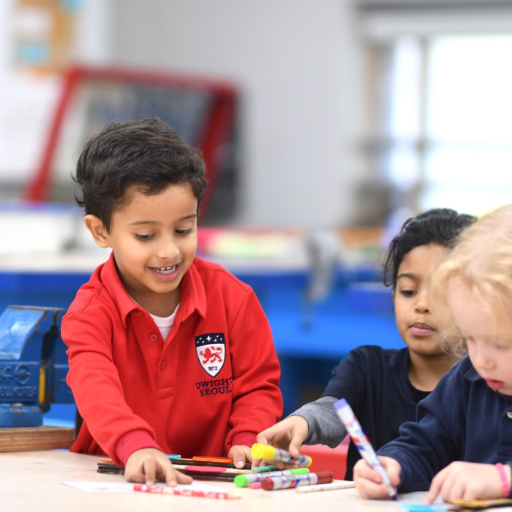
The music and arts program under the International Baccalaureate framework represents much more than a means to express your child’s creativity – it is a collaborative path through which the child inculcates essential life and academic success skills. Most essentially, the IB art program fosters teamwork since students are compelled to share ideas and talents and blend them toward solving work group efforts.
In this blog, we explore why collaboration is essential to the IB arts experience, focusing on its impact on your child’s creativity, skill development, and relationship building.
The Foundation of Collaboration
Collaboration is inherent in the IB art program, which promotes relationships between people, disciplines, and larger ideas. Let us explore the fundamental components that underpin collaboration, shedding light on how these principles foster meaningful connections and lead to impactful outcomes in various fields.
A. Key Components of the IB Arts Program
The program thrives through active involvement and teamwork. Through projects that focus on sharing ideas and co-creating, students appreciate the value of collective creativity. This method not only enhances your child’s contributions but also increases group outcomes.
B. Connection to IB MYP Curriculum
The collaboration fits well with the interdisciplinary approach used in the IB MYP curriculum by encouraging your child to integrate various fields of knowledge. As an example, art students could explore how historical themes relate to visual narratives to create projects that combine apparently disparate areas.
C. Development Across Stages
From the IB Early Years Programme to the Diploma Program, collaboration evolves as students mature. Younger learners engage in group activities that emphasise sharing and cooperation, while older students tackle complex projects requiring leadership, coordination, and innovation. This progression helps your child to adapt to increasing responsibilities, making them effective collaborators in both academic and professional contexts.
Enhancing Creativity through Collaboration
Collaboration acts as a catalyst for creative breakthroughs in the IB Arts program. Collaboration provides a powerful avenue for enhancing children’s creativity, offering opportunities to share ideas, solve problems, and build on each other’s strengths.
A. Idea Exchange
Peer collaboration fosters your child’s exposure to diverse perspectives that inspire new ideas and solutions. For example, a musician and a visual artist might team up to create a multimedia presentation that weaves soundscapes together with compelling images to tell one story.
B. Real-World Application
The program projects are an imitation of the world of creativity. This ensures that your child is better prepared for professional life, where teamwork plays a crucial role. The children can compose or prepare for an exhibition and, therefore, develop skills related to teamwork, time management, and organisational skills.
C. Diverse Skillsets
Different children bring unique strengths, and through collaborative efforts, their talents come together. A technologically gifted filmmaker may work with a narrator to create a visually and narratively engaging film.
Development of Critical Skills through Collaborative Arts Projects
In addition to creativity, collaborative arts projects help students develop critical life skills. Through activities like group painting, theatre productions, or collaborative storytelling, children learn to share ideas, negotiate, and build on one another’s contributions.
A. Communication Skills
Effective communication is the backbone of collaboration. Your child learns to clearly communicate their ideas, actively listen, and give constructive feedback, all of which are important in any profession.
B. Problem-Solving & Adaptability
Challenges are a normal part of group projects. Whether the issues are technical or creative disagreements, children learn to solve problems collaboratively and adapt to unexpected changes.
C. Conflict Resolution
The IB Programme involves balancing different perspectives. Through group work, your child develops strategies to deal with conflicts constructively so that conflicts become opportunities for growth instead of barriers to progress.

Collaboration Across the IB Arts Disciplines
The interdisciplinary nature of the IB art program offers numerous possibilities for interdisciplinary work. While each discipline fosters its own set of skills and techniques, true innovation often emerges when these art forms intersect.
A. Music & Visual Arts Collaboration
The holistic approach of the IB MYP curriculum makes your child connect the arts with other disciplines. A collaborative activity can be designed where the arts students are paired with science students, and the latter can design data visualisations to bring out environmental issues.
C. Peer-to-Peer Collaboration
Close collaboration with peers fosters collective growth. Exchanging techniques, giving feedback, and developing ideas together helps your child not only gain artistic knowledge but also a sense of camaraderie and shared achievement.
The Role of Teachers in Facilitating Collaboration
Teachers are also important in promoting collaboration in the IB art program. By designing group activities, mediating conflicts, and encouraging equitable participation, educators help students navigate the complexities of working together.
A. Teacher as Facilitator
In collaborative efforts, teachers support rather than dominate. They provide resources, suggest structures, and encourage investigation, making the child independent of their work. As facilitators, teachers create environments where students actively engage, collaborate, and explore ideas, fostering critical thinking and independent problem-solving.
B. Mentoring
Teachers can help your child to overcome difficulties, such as managing deadlines or resolving conflicts through mentoring. This enabling role ensures that they keep track and, hence, have better outcomes in their collaborative efforts.
Conclusion:
Collaboration is the core of the music & arts program, enhancing both the creative process and personal growth. From aligning with the curriculum to fostering lifelong skills like communication and flexibility, collaboration equips your child for success in an interconnected world. Together they discover the power of their cumulative creativity, learn indispensable communications and teamwork skills, and come up with work much superior to the sum of individuals.